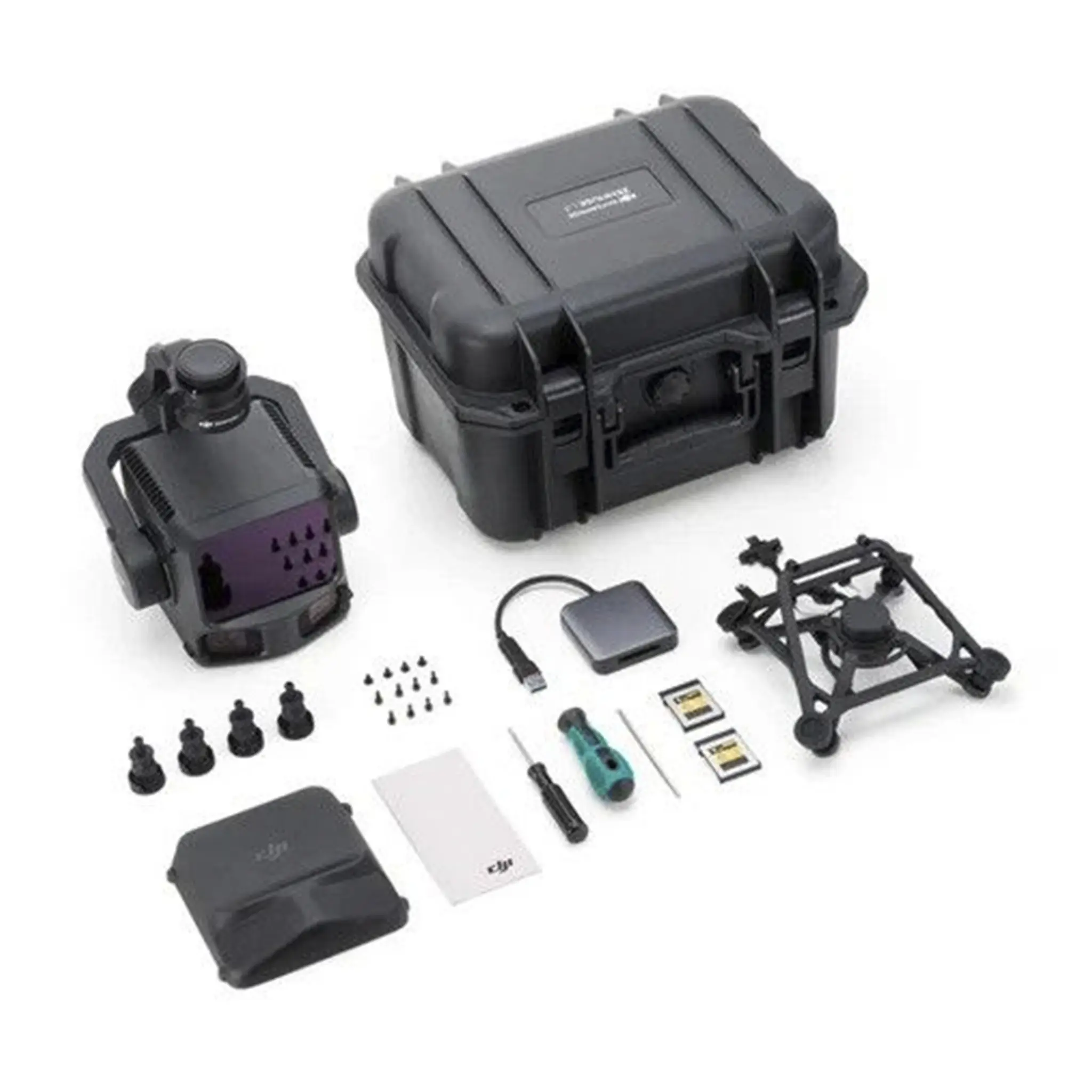
System Performance
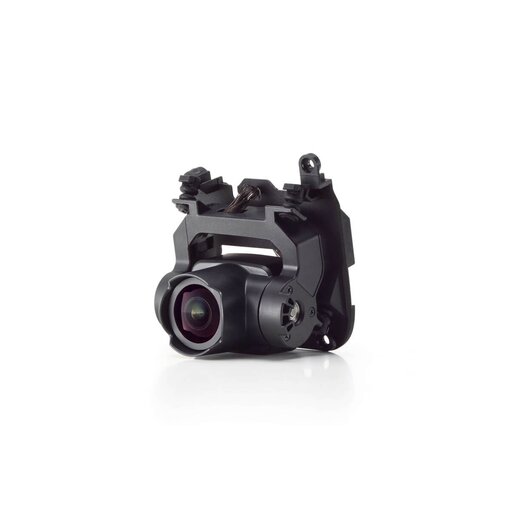
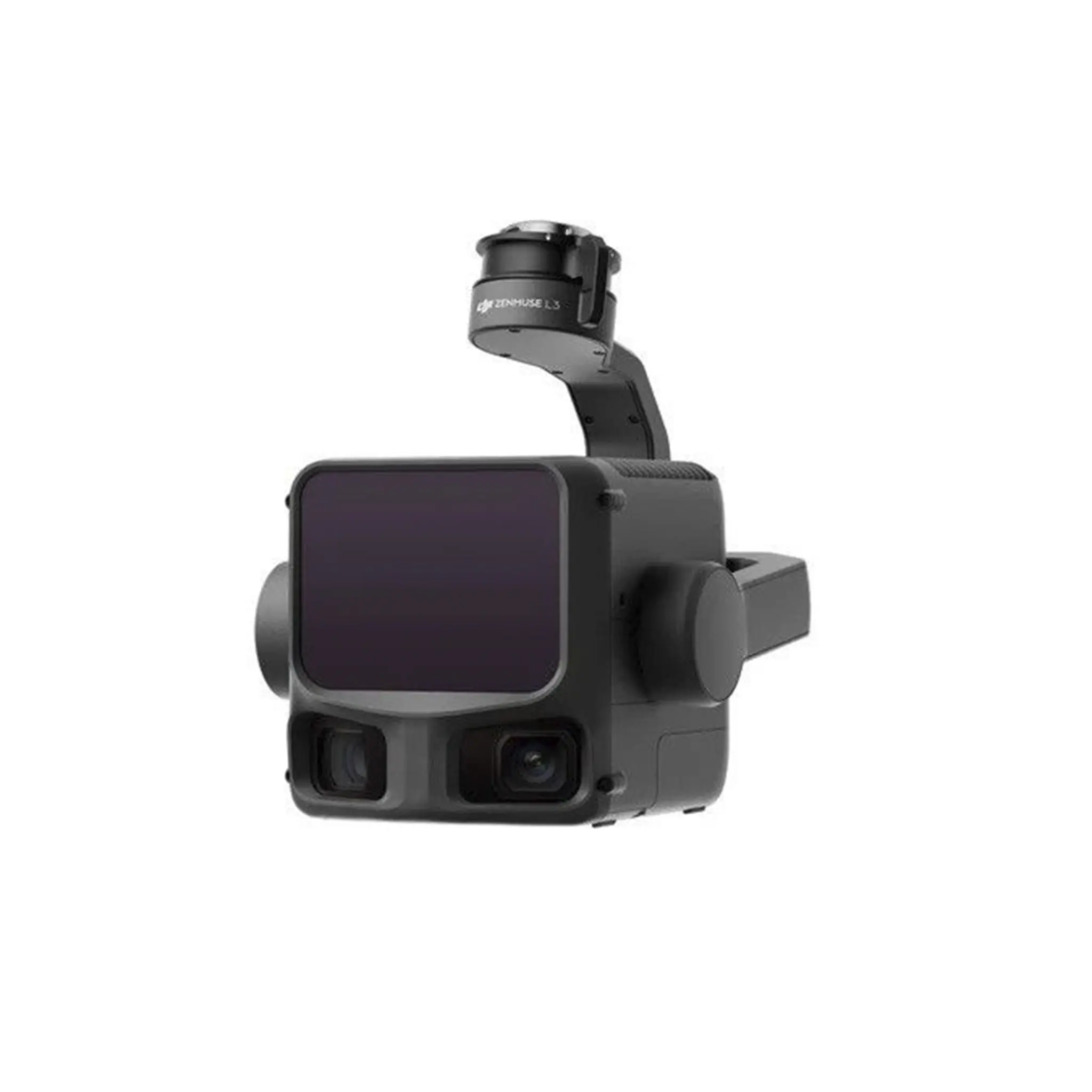
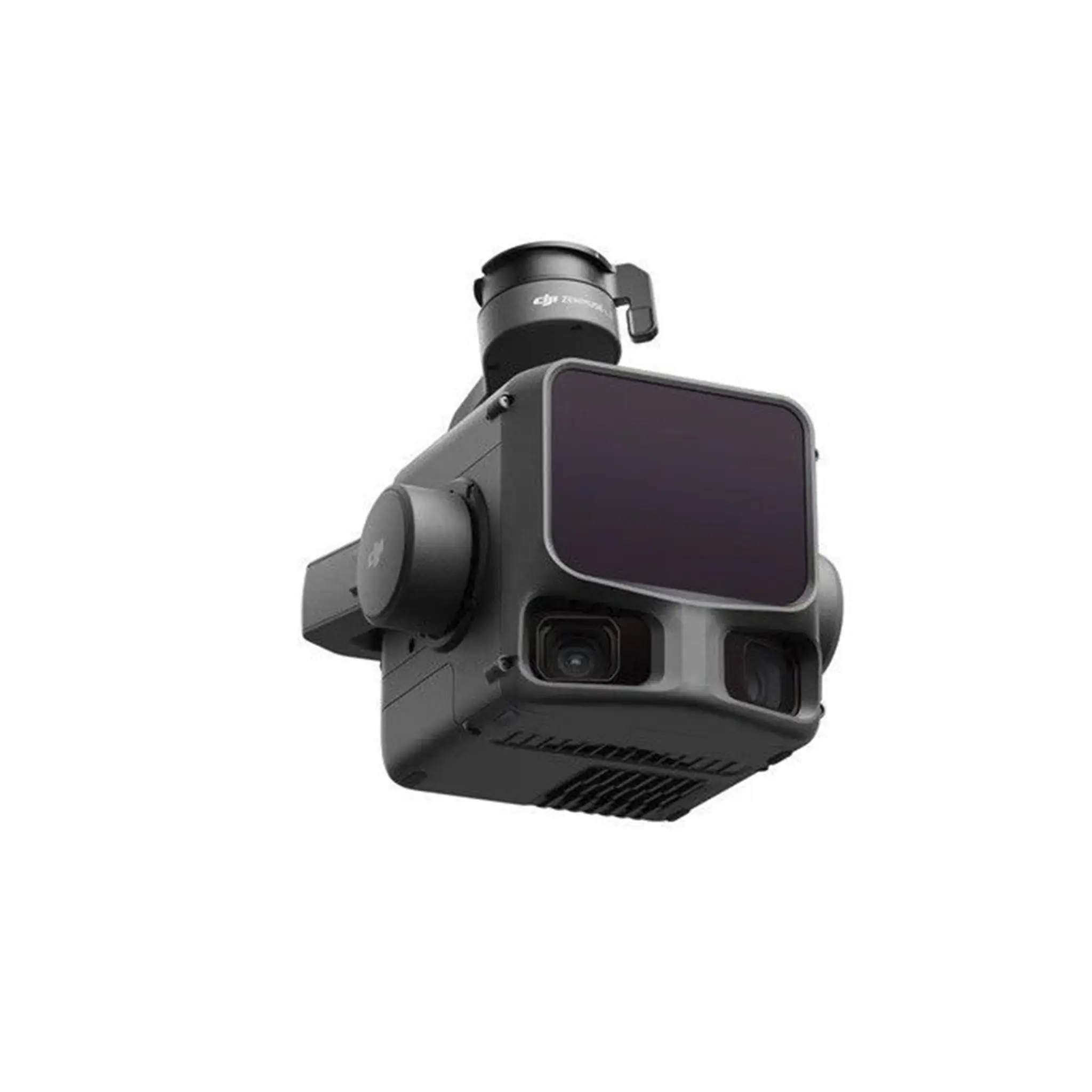
What aircraft is Zenmuse L3 compatible with? Which gimbal interface can it be mounted on?
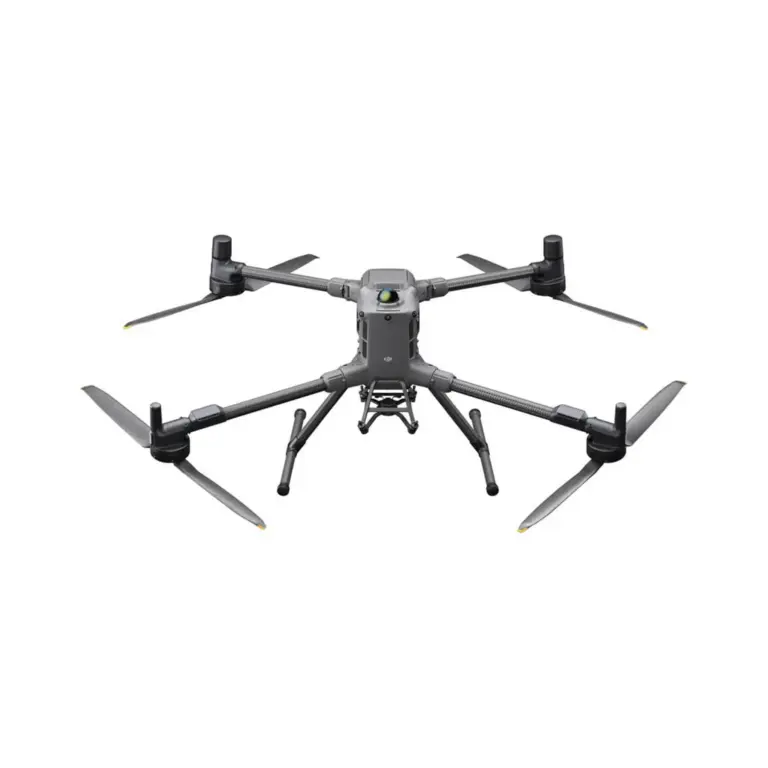
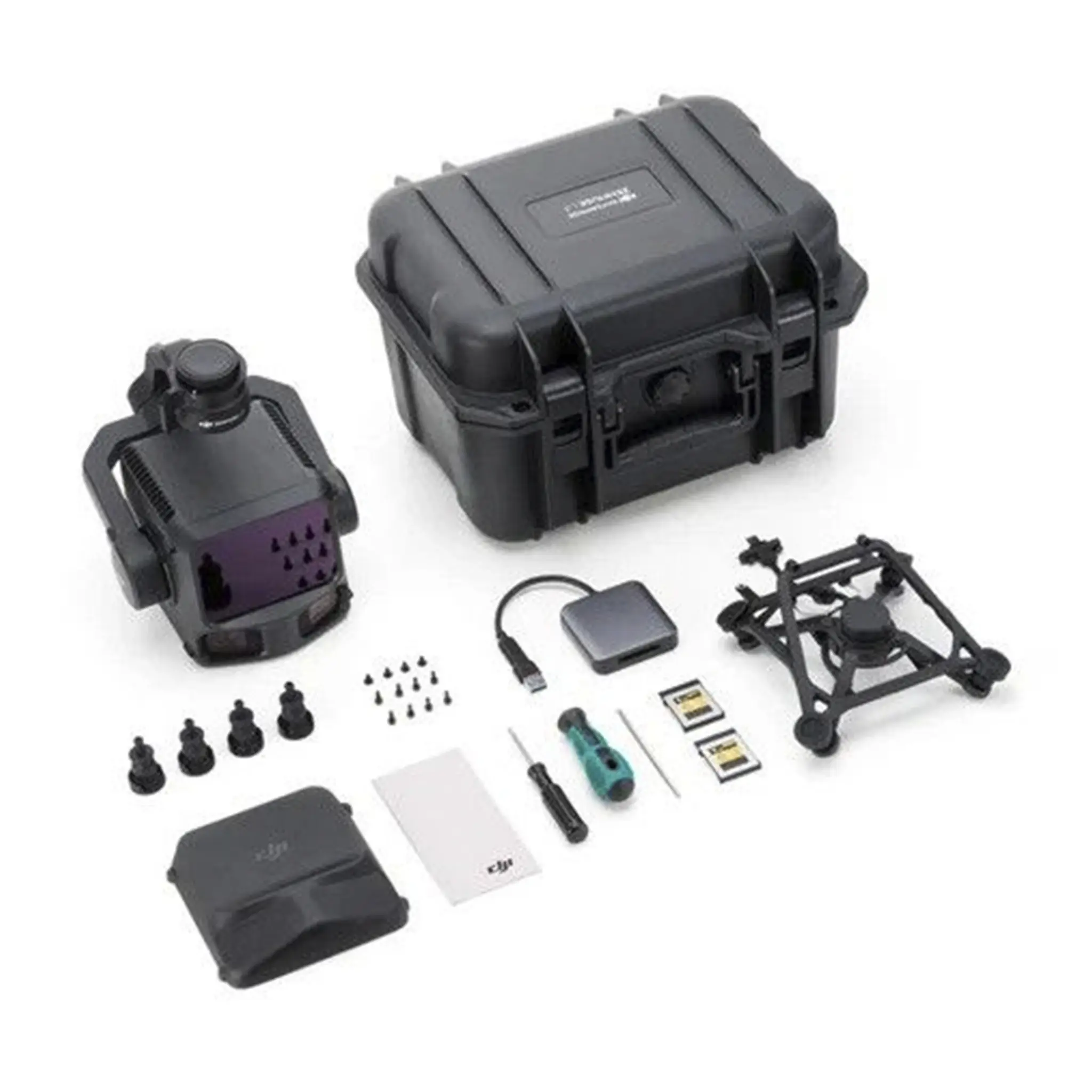
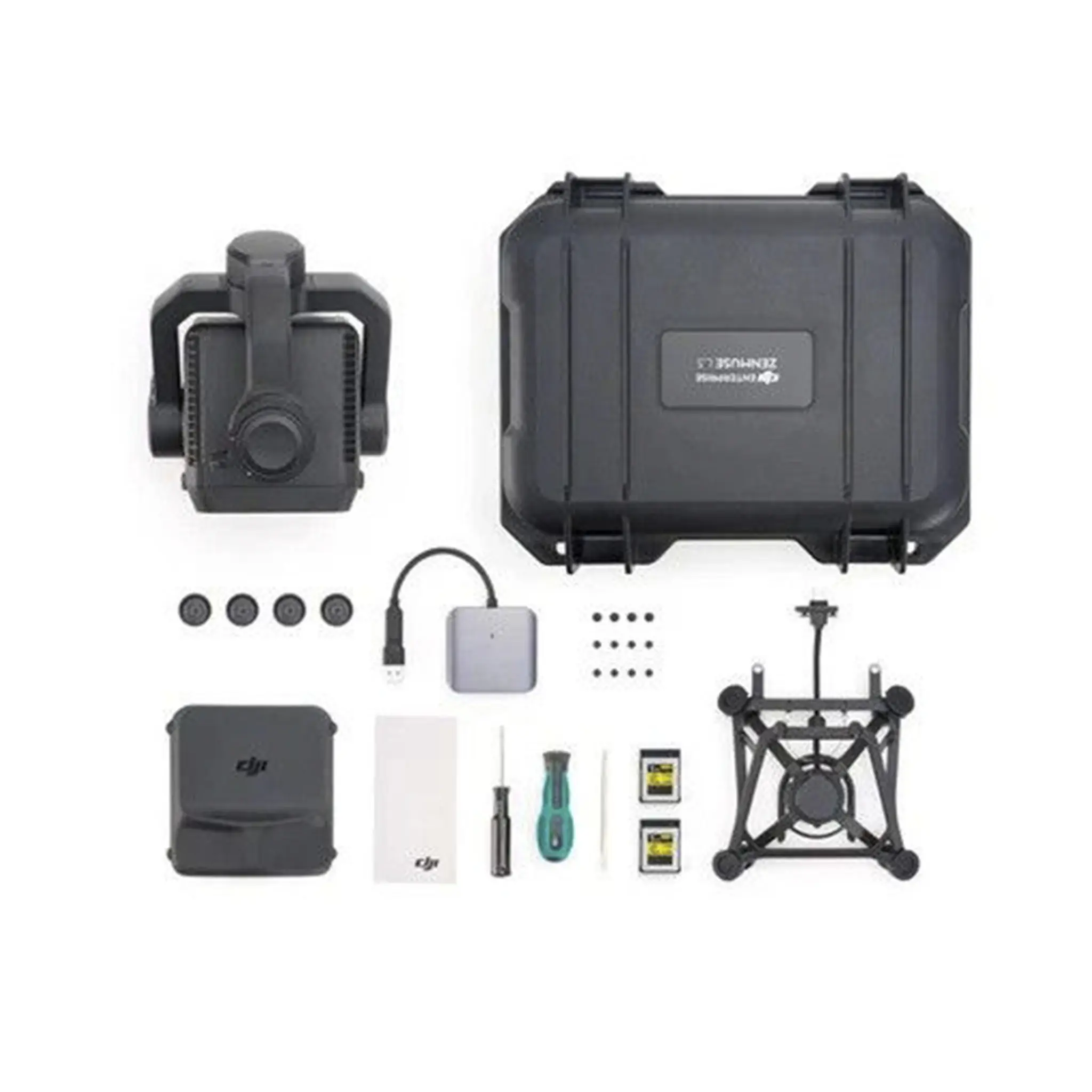
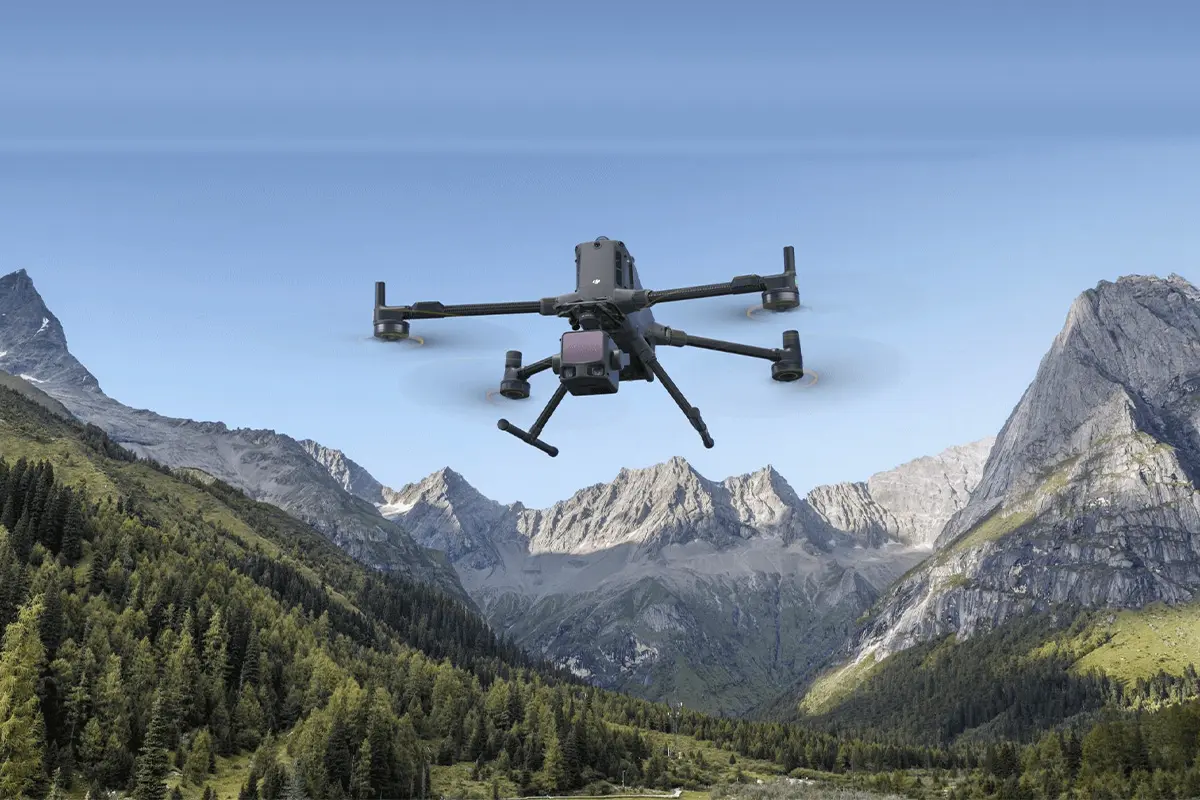
Compatible with DJI Matrice 400, and requires the use of the Zenmuse L3 single gimbal connector. Please ensure that the gimbal connector is connected to the E1 port on the aircraft's underside. Otherwise mapping accuracy will be reduced.
What is the protection level of Zenmuse L3?
Zenmuse L3 can achieve an IP54 rating according to the IEC60529 standard under controlled laboratory conditions. To ensure the highest levels of protection:
1. Before installing, make sure that the interface and surface of the gimbal are dry;
2. Before use, make sure that the gimbal is firmly installed on the drone and the CFexpress™ card protective cap is clean, free of foreign objects, and closed;
3. Before opening the CFexpress™ card protective cap, wipe the surface of the drone clean;
4. The protection level will decrease over time due to normal device use and wear.
What is the laser pulse emission frequency of Zenmuse L3? How many returns does it support?
4, 8, 16 returns (100 kHz, 350 kHz)
4, 8 returns (1000 kHz)
4 returns (2000 kHz)
How does the range of Zenmuse L3 change at different laser pulse emission frequencies?
290 m (centre), 200 m (edge)@10% reflectivity, 2000 kHz, recommended operating altitude ≤ 50 m
400 m (centre), 280 m (edge)@10% reflectivity, 1000 kHz, recommended operating altitude ≤ 100 m
700 m (centre), 500 m (edge)@10% reflectivity, 350 kHz, recommended operating altitude ≤ 300 m
950 m (centre), 650 m (edge)@10% reflectivity, 100 kHz, recommended operating altitude ≤ 500 m
1. Range Definition: The range is defined as the distance at which 50% of the emitted laser pulses are detected. If a laser beam hits more than one subject, the total laser transmitter power is split and the achievable range is reduced.
2. Test Conditions: 100 klx ambient light, within the central area of the FOV, using a flat subject with a size larger than the laser beam diameter, a perpendicular angle of incidence, and an atmospheric visibility of 23 km.
3. The maximum detection range is 900 m by default. For a longer range, contact DJI support or an authorized dealer.
How many scanning modes does Zenmuse L3 have? In what scenarios do they apply?
Supports Linear, Star-Shaped, and Non-Repetitive scanning modes for different operational scenarios:
1. Linear: Achieves more consistent point cloud distribution, ideal for high-accuracy terrain mapping.
2. Star-Shaped: Balances accuracy with multiple scan angles and penetration capability, well-suited for forests or dense urban environments.
3. Non-Repetitive: Provides multiple scan angles and broader coverage, optimised for transmission tower reconstruction and other complex structural surveys.
What improvements does Zenmuse L3 have compared to the previous generation?
Hardware performance improvements:
1. Zenmuse L3 delivers enhanced LiDAR performance. When measured at the same distance, Zenmuse L3 produces a laser spot about one-fifth the size of L2 and supports up to 16 returns. This means much stronger penetration capability, greater range, and higher ranging accuracy.
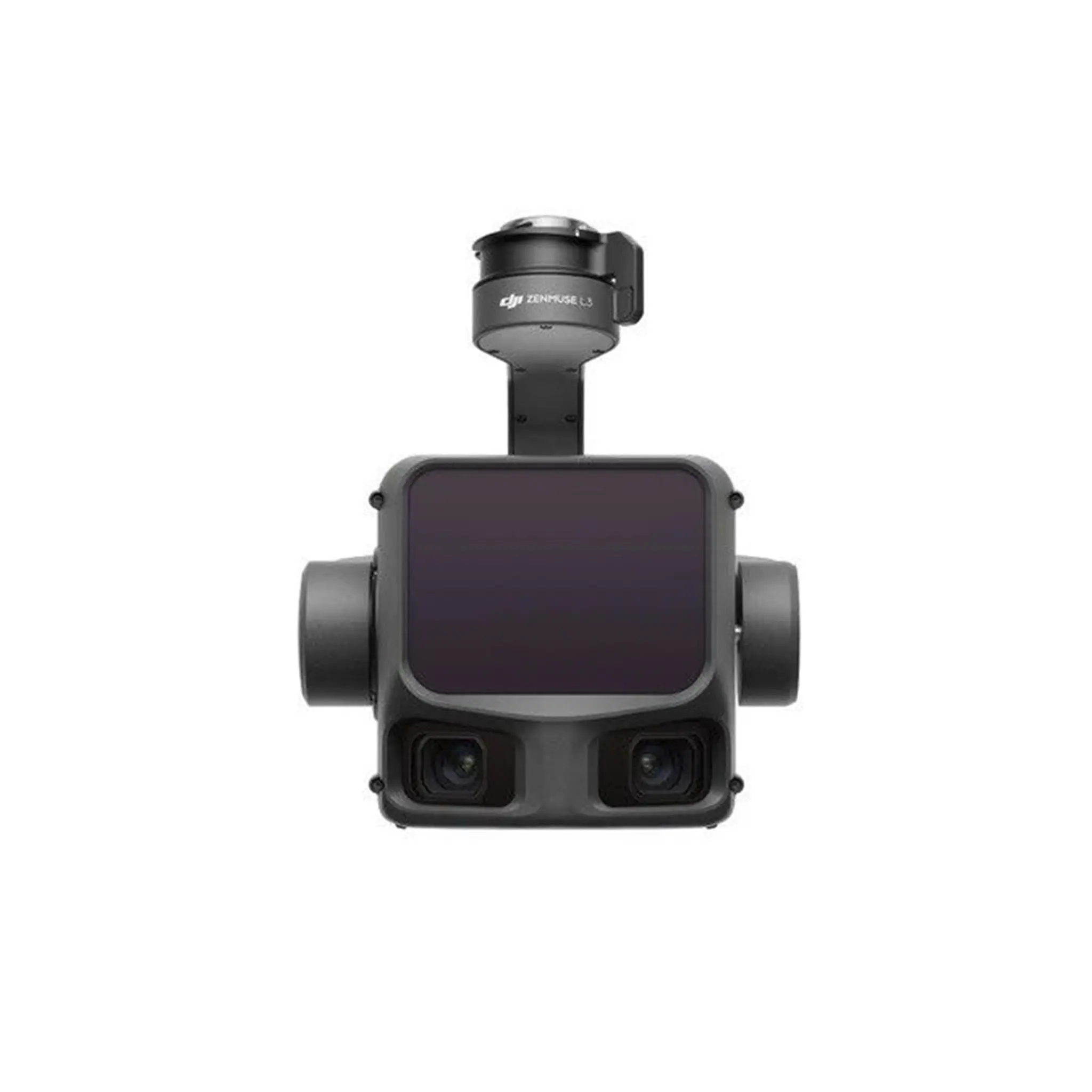
2. The new dual 100MP RGB mapping camera system brings a horizontal FOV of up to 107°, compared to L2’s 73.7°.
3. POS accuracy is improved to 0.02° for heading, and 0.01° for roll and pitch.
Accuracy and efficiency improvements:
1. Zenmuse L3’s vertical accuracy is better than 3 cm at 120m altitude, better than 5 cm at 300 m, and better than 10 cm at 500 m. The point cloud thickness produced by Zenmuse L3 is only half that of Zenmuse L2, supporting advanced analysis and high-accuracy applications.
2. With a smaller laser spot and higher single-pulse energy, Zenmuse L3 offers superior penetration capability. In terrain mapping and similar applications, it captures more ground points with greater completeness, significantly improving the accuracy and integrity of terrain data for precise surface fitting and reconstruction.
3. When mounted on DJI Matrice 400, Zenmuse L3 delivers outstanding efficiency. At a flight altitude of 300 m, a single flight can cover up to 10 km², enabling up to 100 km² of daily coverage.
What is the dual 100MP RGB mapping camera system for?
The dual RGB mapping camera system expands the horizontal FOV to 107°, enabling each acquisition to cover a broader area. Even with a 20% LiDAR side overlap ratio, you can capture data for both digital orthophoto maps (DOM) and digital elevation models (DEM) in a single flight, thereby greatly improving operational efficiency.
What type of CFexpress™ memory card does Zenmuse L3 require? What if I use a non-bundled card?
It is recommended to use the CFexpress™ Type B memory card (1 TB) that comes with Zenmuse L3. This card is specifically optimised for the unique storage requirements of L3’s point cloud data, images, and calibration files, ensuring ideal write speed, power efficiency, and file management.
Using a non-bundled CFexpress™ card may result in lower write speed or less efficient power management, which could lead to frame drops during operational file storage, thus affecting the accuracy of the results. When a non-bundled card is inserted, the app will display a warning message.
Why do the left and right images in the Zenmuse L3 dual 100MP RGB camera Liveview sometimes appear with different brightness levels?
To ensure consistent exposure in the final images, each camera uses centre-weighted metering to optimise resolution. If the left and right cameras capture scenes with significantly different ambient lighting, there will be visible brightness differences in the Liveview display.
Why do I see a stitching seam in the Zenmuse L3 dual 100MP RGB camera Liveview under certain conditions?
It is recommended to keep a distance of at least 20 m between L3 and the ground/subjects. If the distance is too close, the left and right cameras may capture significantly different perspectives of the scene, resulting in visible seams in the Liveview.
What is the difference between 100MP and 25MP operation? Which scenarios are each suitable for?
100MP (High Resolution): Provides more pixels and finer image detail, though it requires more storage space. At the same ground sample distance (GSD), it allows for higher flight altitudes and is recommended for operations above 150 m.
25MP (High Sensitivity): Features larger equivalent pixel size, better signal-to-noise ratio, and higher sensitivity. It requires less storage and, for the same GSD, necessitates lower flight altitudes, making it suitable for operations at or below 150 m.
Does the Zenmuse L3 single gimbal connector support other DJI Enterprise payloads?
The Zenmuse L3 single gimbal connector currently only supports L3. Mounting other aerial mapping payloads may result in reduced mapping accuracy. For example, if Zenmuse H30T is mounted, video footage may experience minor shaking, which can affect advanced functions such as Smart Track, Automated Overhead Power Line Inspection, and others.
When Zenmuse L3 is shooting video, why doesn't the gimbal more recent, and which RGB camera is used for recording?
During video recording, only one camera is active. Specifically, when recording video, the right-side RGB camera (when facing the LiDAR) is used.
Field data collection
How efficient is the surveying and mapping operation of Zenmuse L3? How is it calculated?
Zenmuse L3 can collect data covering an area of up to 10 km² in a single flight, enabling up to 100 km² of mapping per day.
When paired with DJI Matrice 400, Zenmuse L3 can achieve a daily mapping coverage of up to 100 km² (flat terrain, 300m nadir flight altitude, 20% side overlap, 17m/s flight speed, and a total effective flight time of 6 hours).
What is the typical flight altitude for Zenmuse L3? What is the corresponding accuracy?
At 120m Flight Altitude:
Vertical Accuracy: 3 cm (RMSE)
Horizontal Accuracy: 4 cm (RMSE)
At 150m Flight Altitude:
Vertical Accuracy: 3.5 cm (RMSE)
Horizontal Accuracy: 5 cm (RMSE)
At 300m Flight Altitude:
Vertical Accuracy 5 cm(RMSE)
Horizontal Accuracy: 7.5 cm (RMSE)
Measured under the following conditions in a DJI laboratory environment:
1. The field contained objects with obvious angular features. DJI Matrice 400 was linked to a position-calibrated D-RTK 3 Multifunctional Station. The flight route was planned using DJI Pilot 2’s Area Route (with Calibrate IMU enabled) with Linear scanning. The flight speed was set to 15 m/s, gimbal pitch to -90°, and each straight segment of the flight route was less than 3300 m.
2. Using exposed hard ground checkpoints that conformed to the diffuse reflection model.
3. DJI Terra was used for post-processing with Optimize Point Cloud Accuracy enabled.
What improvements does Zenmuse L3 offer in Power Line Follow compared to the previous generation?
1. The FOV has been increased to 80°×80°, which allows a larger section of power lines to be detected at the same altitude.
2. The smaller laser spot and extended detection range make power line detection more stable and reliable.
3. Power Line Follow now supports higher operational altitudes: for transmission lines, 10 to 130 m (recommended: 50 to 80 m); for distribution lines, 10 to 50 m (recommended: 30 to 50 m). With higher altitudes, the drone can fly directly over crossing lines without detours, greatly improving flight efficiency.
What types of lines is Zenmuse L3’s Power Line Follow feature suitable for?
The Power Line Follow feature of Zenmuse L3 is designed for transmission and distribution lines with voltage levels of 10 kV and above. However, it cannot guarantee effective recognition for low-voltage lines, such as those at 400 V, or communication and broadcasting cables.
In what scenarios could the identification and tracking performance of power lines be affected? How can these issues be resolved?
The performance of power line recognition and following may be compromised under the following scenarios:
1. Insulated lines;
2. Tree canopies that are too close to or even obstructing the lines;
3. Dense distribution of multiple power lines, such as in substation entry and exit lines;
4. Complex intersections between power lines and other cables.
Solutions:
1. When encountering junctions with dense or multiple crossing lines, the system may issue a warning. In these situations, switch to manual flight to pass through the area.
2. In areas where tree canopies are very close to the wires, or where there are black PVC-insulated wires under the canopies, it is recommended not to use Power Line Follow.
Is it necessary to perform IMU calibrations during a Power Line Follow task?
There is no need to specifically perform IMU calibrations during Power Line Follow tasks, as the acceleration and deceleration movements of the drone platform while passing towers can also serve as IMU calibrations to some extent.
How to use Zenmuse L3’s real-time point cloud data? Is it possible to subscribe to and parse data streams?
1. Real-time point cloud data stream subscription: When recording point cloud, Zenmuse L3 supports subscribing to real-time point cloud data streams via OSDK/PSDK devices. For details on the data parsing protocol, refer to the SDK developer documentation available on the DJI Developer webpage.
2. Offline export of real-time point cloud data: After point cloud recording is complete, Zenmuse L3 saves a copy of the real-time point cloud data stream. These files, with the .ldrt extension, can be found in the media directory of the memory card for the corresponding flight. For details on file format, refer to the Zenmuse L3 User Manual available in the Downloads section in the navigation bar of this page.
Does Zenmuse L3’s real-time point cloud data support cloud sharing?
Yes. After the operation, you can select real-time point cloud results in DJI Pilot 2 and upload them to the relevant project in DJI FlightHub 2 for emergency decision-making.
Is the accuracy of Zenmuse L3’s real-time point cloud data consistent with the point cloud generated by DJI Terra?
No. The real-time point cloud from Zenmuse L3 is intended only for field operation preview, and its accuracy is not guaranteed. For high-accuracy applications, you should use DJI Terra for offline point cloud reconstruction.
How do I measure the real-time point cloud from Zenmuse L3?
After point cloud recording is complete, you can playback point cloud preview on DJI Pilot 2 and use measurement tools to measure location, distance, and area.
When DJI Matrice 400 is equipped with Zenmuse L3, what is the supported altitude for Real-Time Follow?
DJI Matrice 400 supports Real-Time Follow at altitudes from 30 to 300 m.
Which types of flight tasks and flying modes does Zenmuse L3 support?
It supports Waypoint Route, Area Route, and Linear Route. For flying modes, it supports Terrain Follow and Power Line Follow.
What is the function of Zenmuse L3’s Point Cloud Result Preview?
When editing a flight route in DJI Pilot 2, users can preview estimated point cloud results in real time based on parameters such as flight altitude, flight speed, side overlap ratio, scanning mode, pulse rate, and object reflectivity. The preview shows outputs including the Flight Band Center Scatter Plot, Adjacent Flight Band Center Scatter Plot, and Min Density Scatter Plot.
Post-processing
How does Zenmuse L3 calibrate itself, and when is calibration necessary?
When Zenmuse L3 exhibits issues such as rule-based colouring errors or point cloud layering, it is recommended to use DJI Terra to perform LiDAR calibration. For detailed instructions, refer to the Zenmuse L3 User Manual available in the Downloads section in the navigation bar of this page.
How do I use DJI Terra's PPK function? Which satellite observation data formats are supported?
DJI Terra V5.1.0 and later versions support PPK. Local PPK accepts the following satellite observation data formats:
DAT: Generated in Base Station Mode by D-RTK 3 Multifunctional Station and D-RTK 2
RINEX: v2.1x, v3.0x
RTCM: v3.0, v3.1, v3.2, v3.3 (protocols: MSM3, MSM4, MSM5, MSM6, MSM7)
OEM: OEM4, OEM6
For field operation, ensure the distance between the Multifunctional Station and the aircraft does not exceed 15 km, and the Multifunctional Station supports satellite observation with more than two GNSS constellations.
Is a licence required to use DJI Terra for processing Zenmuse L3’s point cloud data?
Point cloud processing for Zenmuse L3 is a free feature in DJI Terra. Advanced functions, such as point cloud accuracy optimisation and generating other deliverables, are also free of charge.
This pricing information is based on DJI Terra V5.1.0. Whether subsequent updated functions will be charged is subject to the release notes at the time of publication.


 EN
EN  NL
NL  FR
FR  DE
DE  ES
ES  IT
IT