
Passive RF detection, TDOA geolocation & real-time threat library. Protect critical airspace without revealing your position.
Compact urban sensors, tactical vehicle units, handheld locators & fixed infrastructure systems - all fully passive with zero RF emissions.
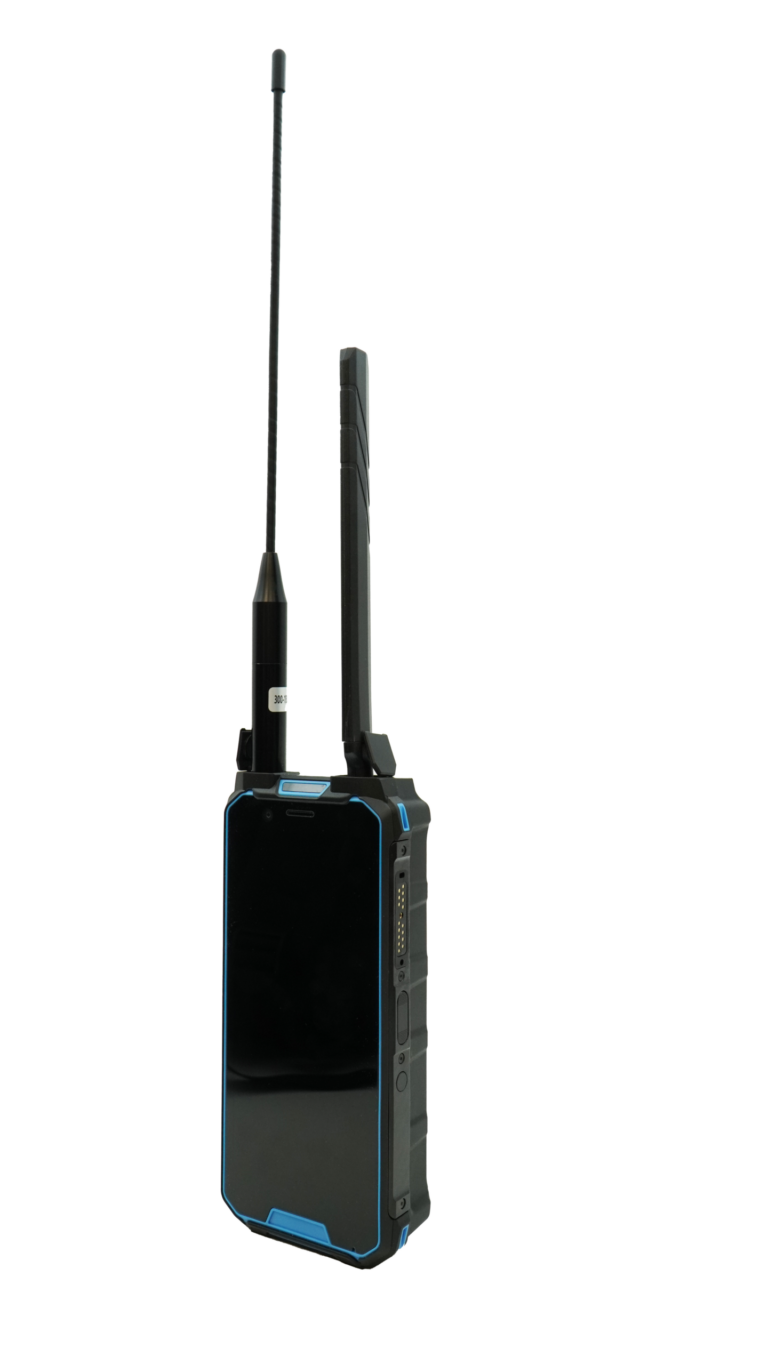
Ultra-portable handheld drone detector with FPV image decoding. 658g, 6" touchscreen, 100MHz-6GHz coverage.
Vehicle-mounted integrated detection and jamming system. Full-spectrum protection with automated countermeasures.
Fixed Remote ID decoder for real-time drone identification. Supports global RID standards, 360° surveillance, IP66-certified.
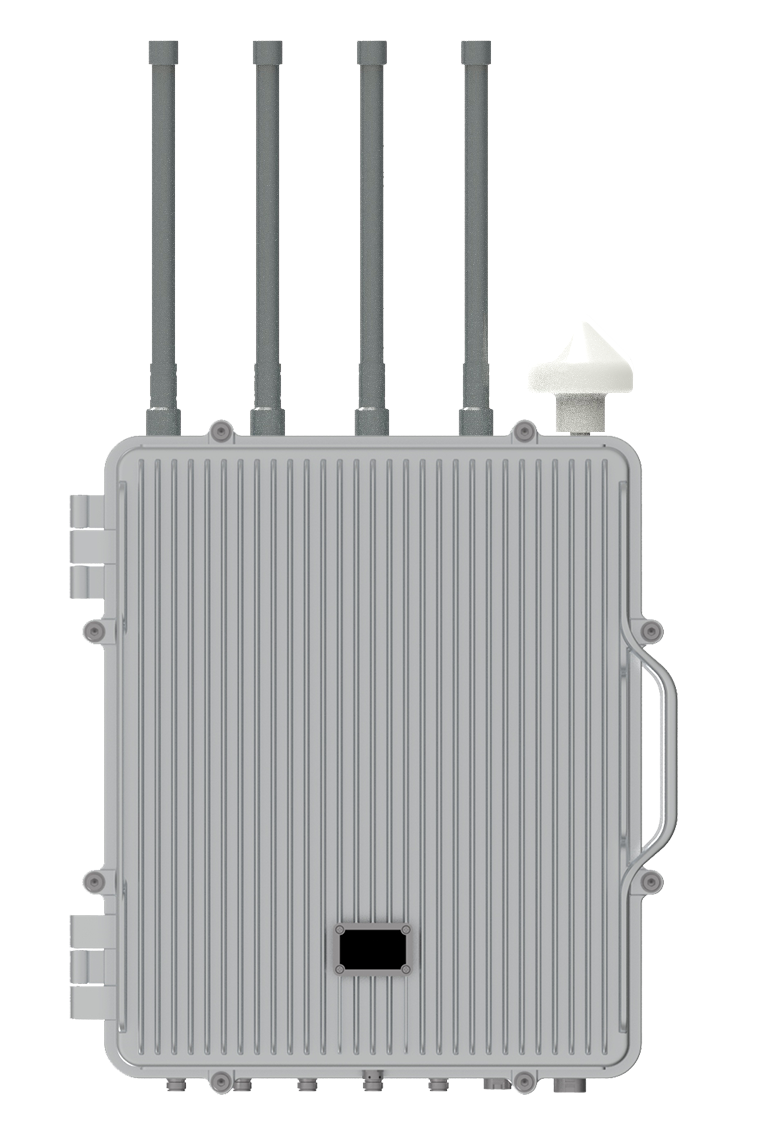
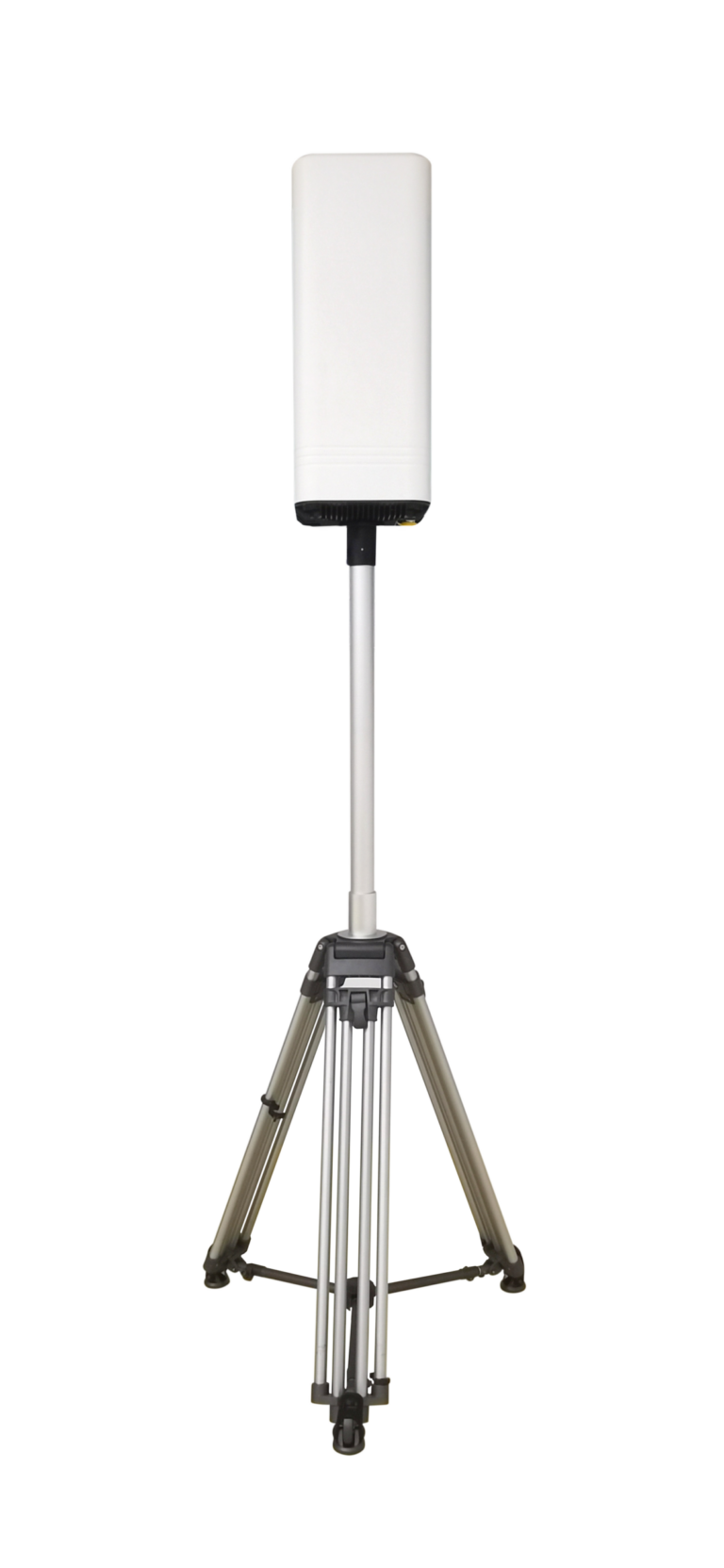
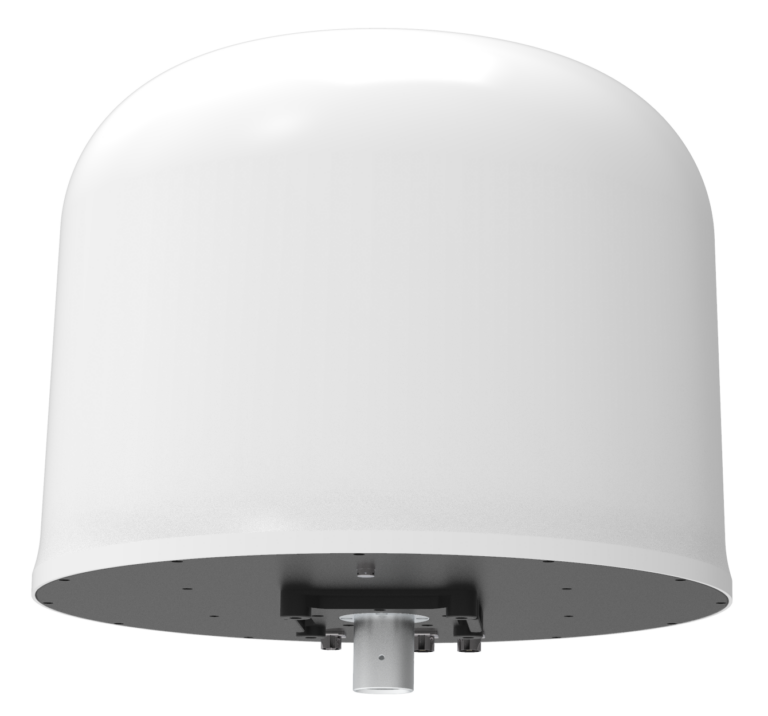
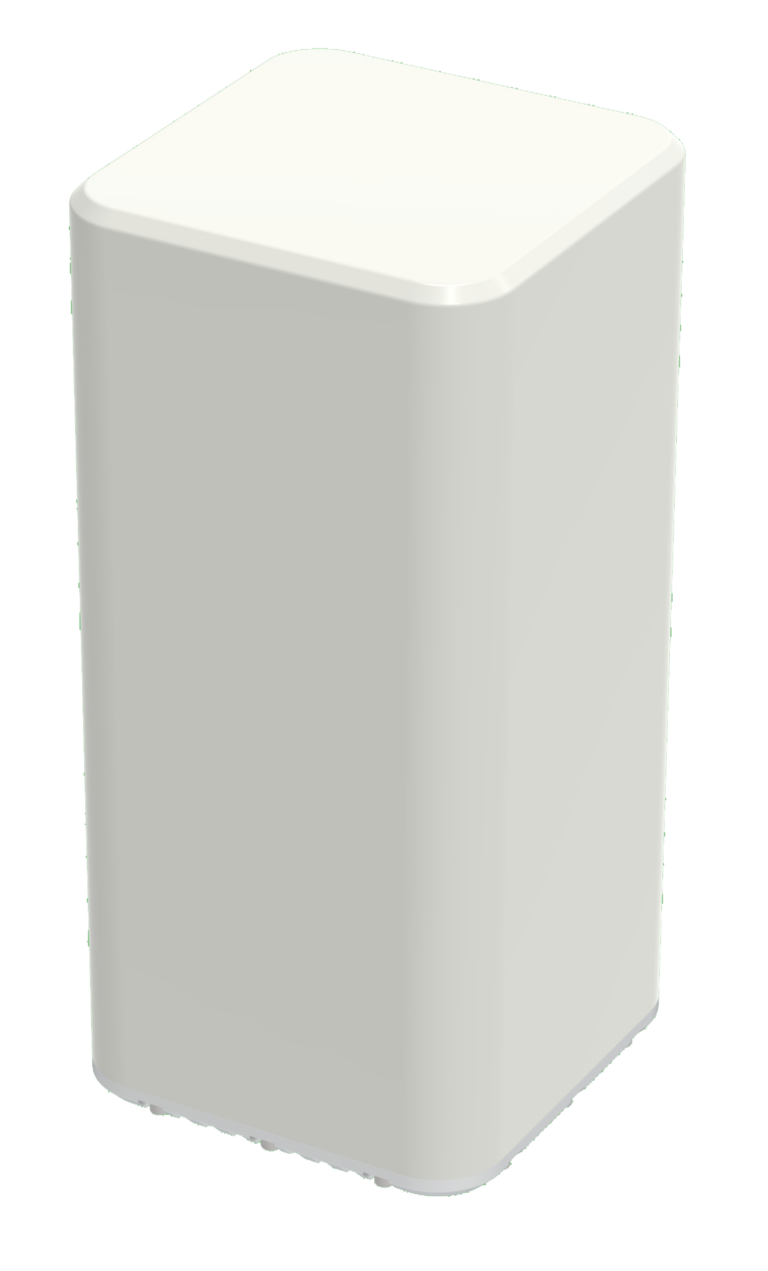
High-performance fixed drone detection system. TDOA network support, 800+ drone models, pilot tracking and full trajectory visualisation.
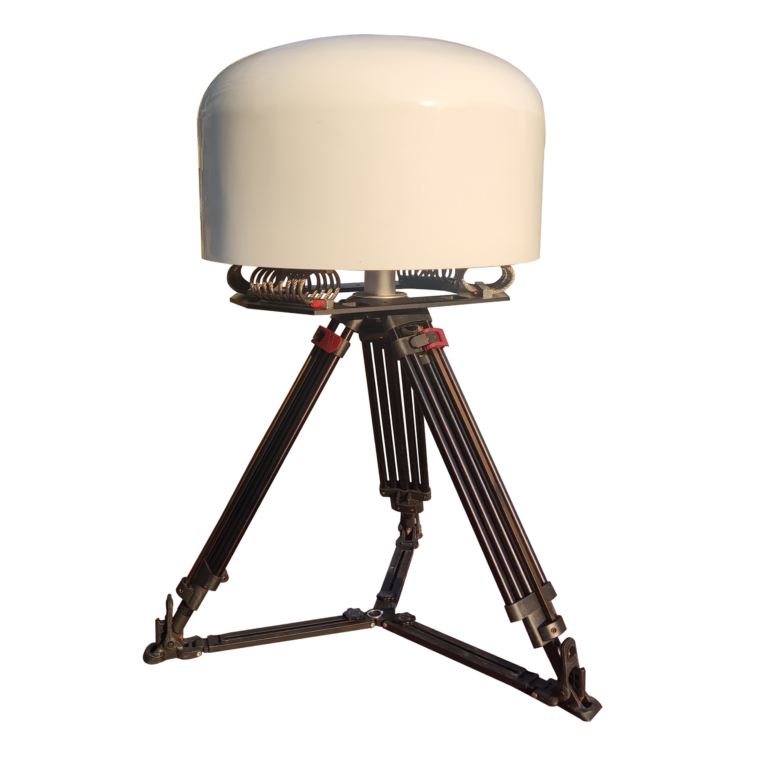
Combines TDOA and AOA for accurate direction finding and positioning over networks. Detects 500+ drone models, including spectrum analysis.
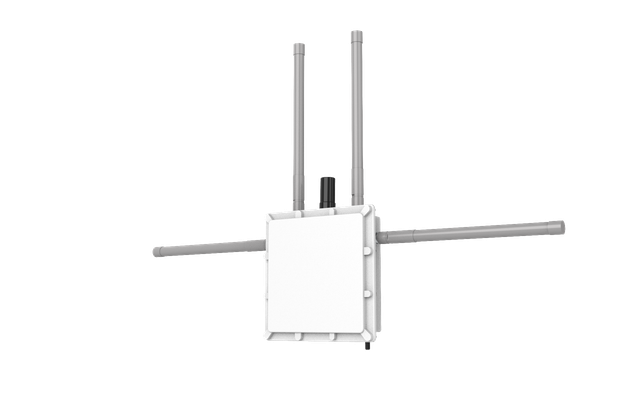
Compact TDOA-based drone detection for city-scale deployment. Detects 300+ models, RID decoding, pilot tracking, IP67-certified.
Centralised web-based command & control for all Globe Protect sensors. Visualise every drone, pilot and flight path - in real-time.
🔍 Passive scan - No signal transmission
Compatible with all fixed detection systems - seamless integration with DJI Dock 3. When an enemy drone is detected, exact coordinates are transmitted via the MQTT service bus, which activates an autonomous response drone for visual verification and threat analysis. Supports popular DJI Dock 3 management applications (e.g. DJI FlightHub) and provides easy integration with any third-party system via the open MQTT protocol.
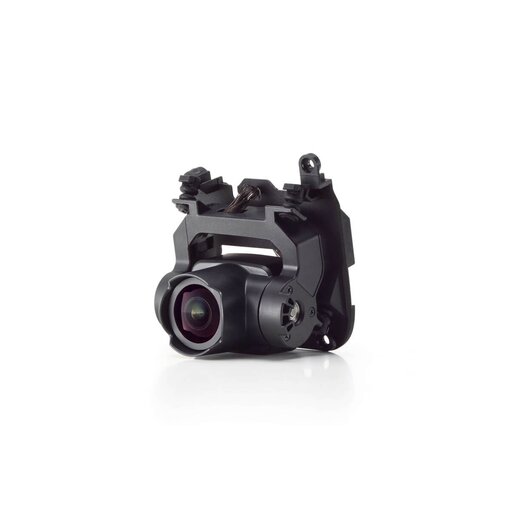
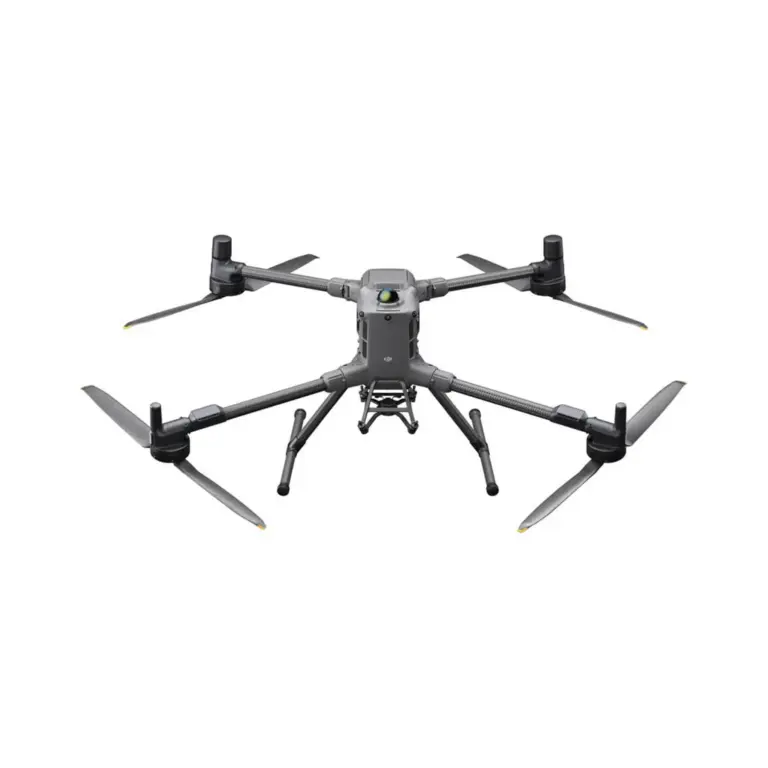
A secure facility is under surveillance at night. An enemy drone is launched by a remote pilot. Globe Protect's passive RF system immediately detects the drone and locates the pilot's position via geolocation. Coordinates are sent to the management application, which activates an alert for operators. The system automatically activates the DJI Dock 3, and within seconds a Matrice 4TD is deployed. The drone autonomously flies to the pilot's location and initiates tracking with a thermal camera. Operators confirm the threat and send emergency services to the source - all without a single transmitted RF signal on the detection side.
Drone already hovering over enemy pilot - video link active, geolocation locked. Control room displays real-time telemetry and ID.
🔹 Active monitoring status
Interceptor drone: 45m AGL, fixed on target.
Mission duration: 14 seconds from detection.
Threat rating: confirmed intruder.
🔹 Control room interface
AI tracks movement, predicts flight path, streams images to operators - ready for coordinated intervention.
🔹 Total lead time
detection → geolocation → dispatch → on target: < 22 seconds
Compatible with all fixed detection systems - Seamless integration with DJI Dock 3. When an enemy drone is detected, exact coordinates are transmitted via the MQTT service bus.
Centralised web-based command & control for all Globe Protect sensors. Visualise every drone, pilot and flight path - in real-time.
Designed for noiseless dominance. Trusted by defence units worldwide.
No RF emission - completely undetectable. Operates in full stealth mode with zero electromagnetic footprint.
Continuously updated threat database includes DJI, Autel, FPV, custom drones - plus emerging AI-driven threats.
Detection in fractions of seconds with live pilot geolocation, full flight path display and drone telemetry - without delay.
Support for multiple Remote ID standards (ASTM, ASD-STAN, GB) ensures full regulatory compliance in all operational regions.
From a single handheld unit to city-wide sensor networks - adapts instantly to any threat environment.
End-to-end planning, training and 24/7 incident response - delivered by King Drone's certified engineers.
Our systems offer a detection range of up to 6 km for typical consumer drones (DJI, Autel) and up to 10 km for larger tactical UAVs, depending on environmental conditions and the drone's transmission power.
Passive detection listens for RF emissions from the drone and controller - it does not transmit anything itself. Active radar emits signals that can be detected by the drone operator. Passive is completely 'stealth' and legally unregulated.
Yes. Our AI classification module analyses RF signatures, flight patterns and optional sensor fusion to distinguish drones with >98% accuracy from birds or other RF sources.
Real-time information includes: drone model, frequency band, RSSI, bearing, estimated range, flight path and pilot position (when using TDOA or Remote ID).
Absolutely. As our sensors are purely passive receivers (no transmission), they are exempt from most spectrum licences and do not interfere with communications. Fully compliant with AVG (GDPR) and local privacy laws.
When our passive detection system identifies a drone and pilot, it publishes a JSON event (drone ID, coordinates, threat level) to the MQTT broker. The Dock 3 management application (FlightHub or an external party) subscribes to this issue and automatically launches the interceptor drone.
Absolutely. The integration is built on the open MQTT protocol, so any ground station software that can read MQTT topics and control the DJI Dock 3 can be used. We provide full API documentation.
In practice, the delay is less than 3 seconds for detection + geolocation, plus 5-8 seconds for the Dock 3 start sequence. The total time from initial RF detection to airborne interceptor is usually less than 12 seconds.
It works with the DJI Dock 3 and all future Dock variants that support the MQTT interface. It is not compatible with Dock 2 due to differences in protocols.
Yes. The management application displays real-time video images from the Matrice 4TD (or another compatible drone) alongside the detection map. Operators can switch between thermal and visual images.
All MQTT traffic is encrypted via TLS 1.3 and clients are authenticated with client certificates or tokens. The system supports on-premises brokers for 'air-gapped' (isolated) networks.
Yes - the DJI Dock 3 is completely optional. The Globe Protect detection and jamming systems work perfectly standalone. You can purchase separate sensors first and add the Dock 3 integration licence later if autonomous drone deployment is required. Most customers use the system purely for detection/jamming; only specific scenarios require the Dock 3 integration.
Contact Koningdrone's defence specialists for advice, pricing information and implementation support.
Anti-Drone Detection Systems - advanced passive C-UAS | Distributed by king drone
© 2025 Globe Protect. All rights reserved.