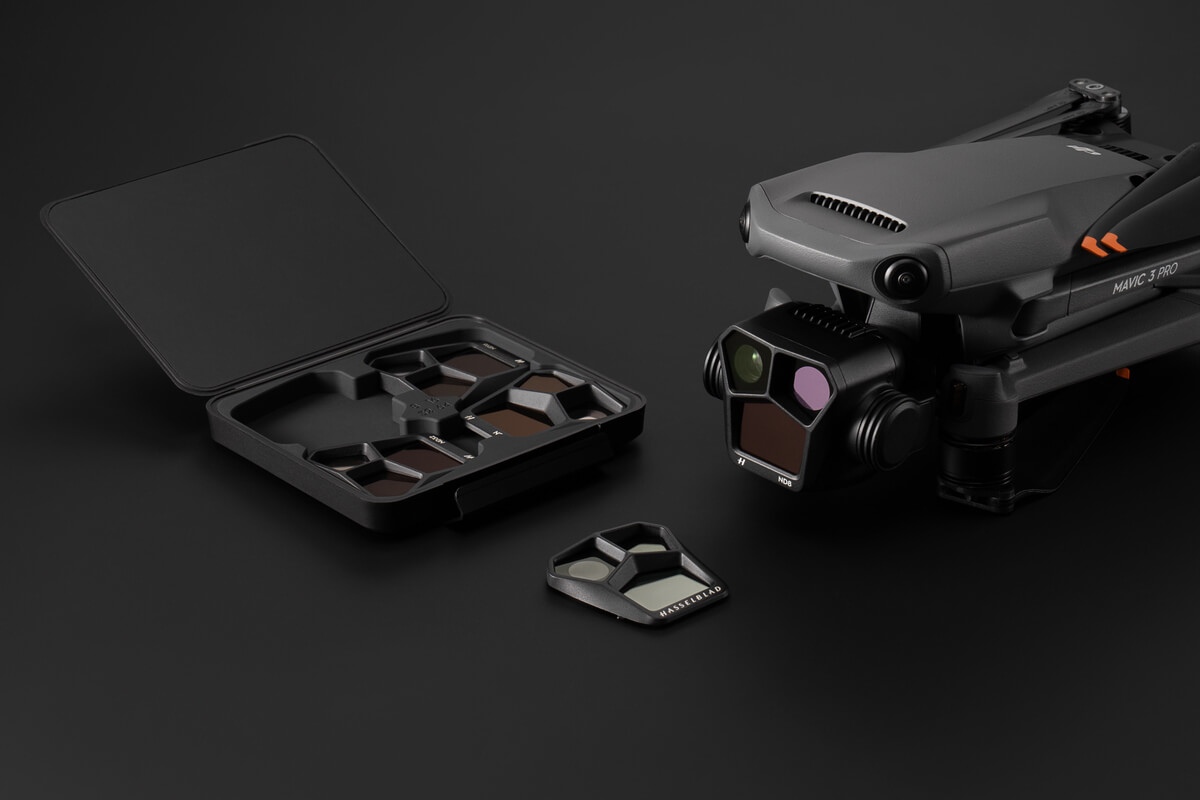
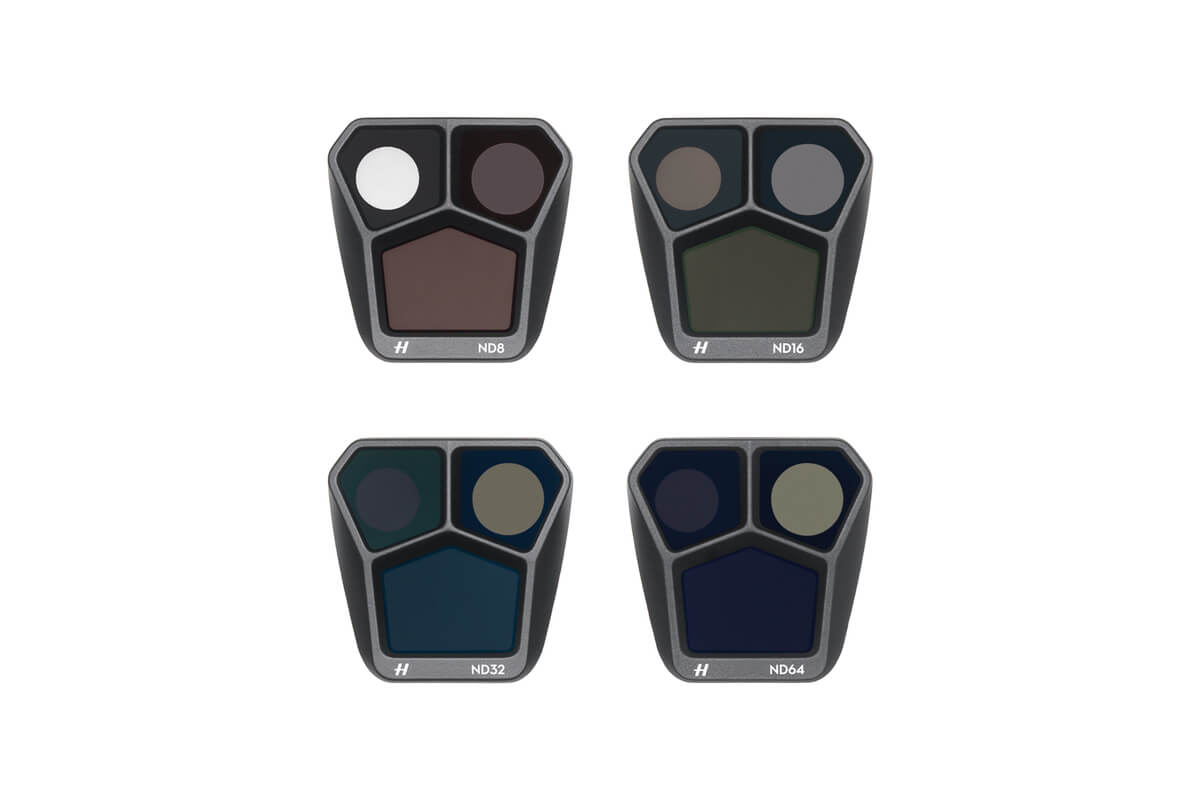
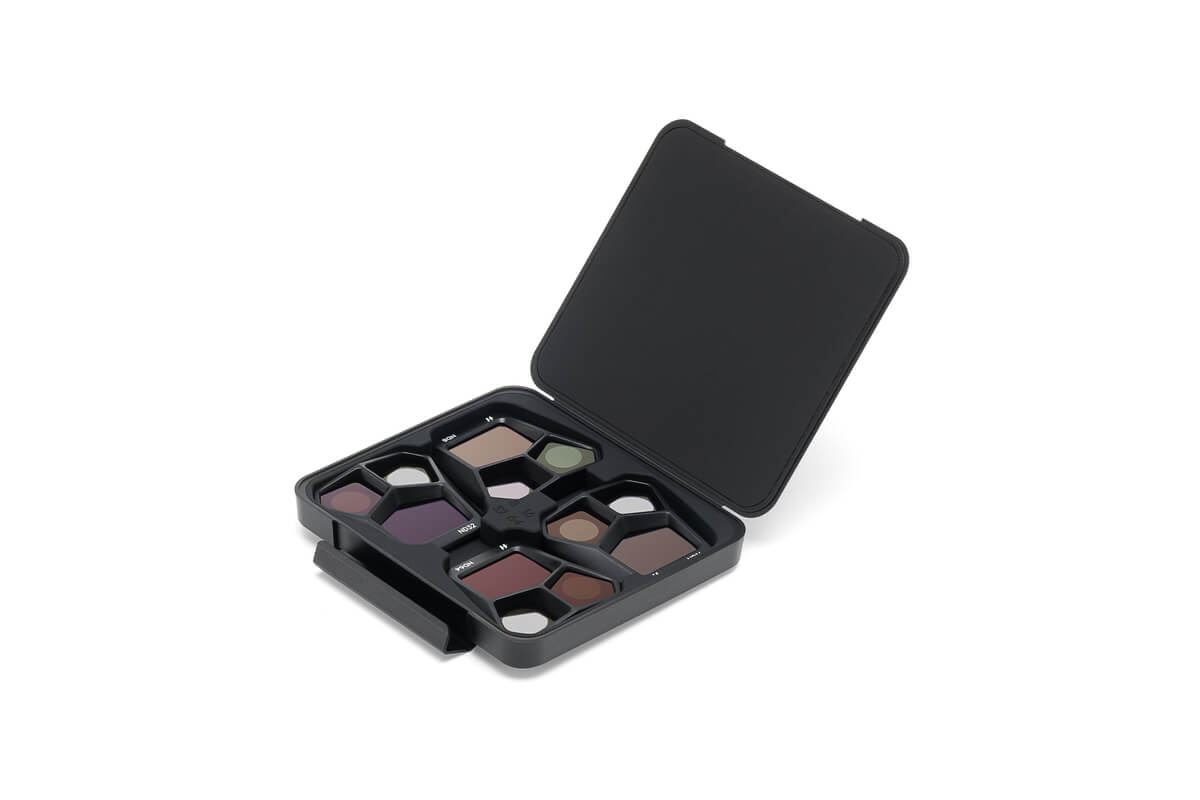
Introduction to the ND filter set The ND filter set is designed to help photographers create stunning long-exposure photos or flawless images in bright light. This set is especially valuable for those who want to achieve professional-looking, smooth movements in their videos at high light levels. By providing the ability to precisely adjust shutter speed, these filters play a crucial role in maintaining optimal exposure without compromising on image quality.
Optimised for different lighting conditions For seasoned photographers and videographers, managing exposure to achieve the desired aesthetics can be challenging, especially under varying lighting conditions. The ND Filters Set solves this problem by enabling more controlled and reduced light exposure in-camera. This is especially useful when aiming for a cinematic look, where a slower shutter speed (often corresponding to double the frame rate for a shutter opening angle of 180°) allows for smoother motion blur in brightly lit environments, without having to increase ISO sensitivity. and potentially introduce noise into the images.
Tailor-made for three-camera systems What sets this filter set apart is its tailored optimisation for cameras equipped with a triple camera system. It carefully adjusts the light reduction for the telephoto lens to avoid scenarios where, despite achieving the correct exposure on the wide-angle and medium telephoto cameras, the telephoto camera becomes underexposed. This ensures uniform exposure and quality across different zoom levels, improving the overall photographic and videographic experience.
Understanding the shutter's opening angle Understanding shutter opening angle: This term is used to describe how shutter speed is related to frame rate in videography. Simply put, it helps determine exposure time based on the formula: Exposure time = shutter opening angle/(frame rate × 360°). For example, if you shoot at 24 frames per second (fps) and the shutter is open at an angle of 180°, the exposure time comes out to be 1/48 second. This concept is essential for achieving the right balance between motion blur and exposure in video footage.


 EN
EN  NL
NL  FR
FR  DE
DE  ES
ES  IT
IT