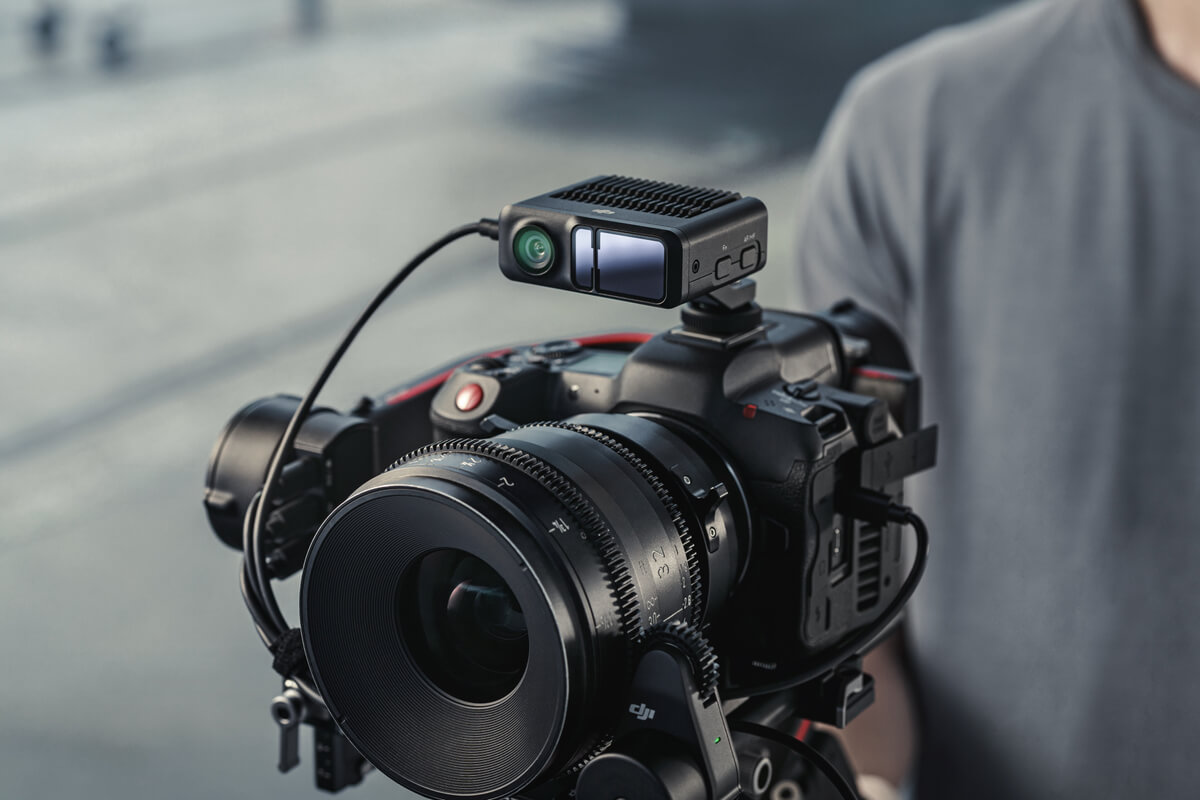
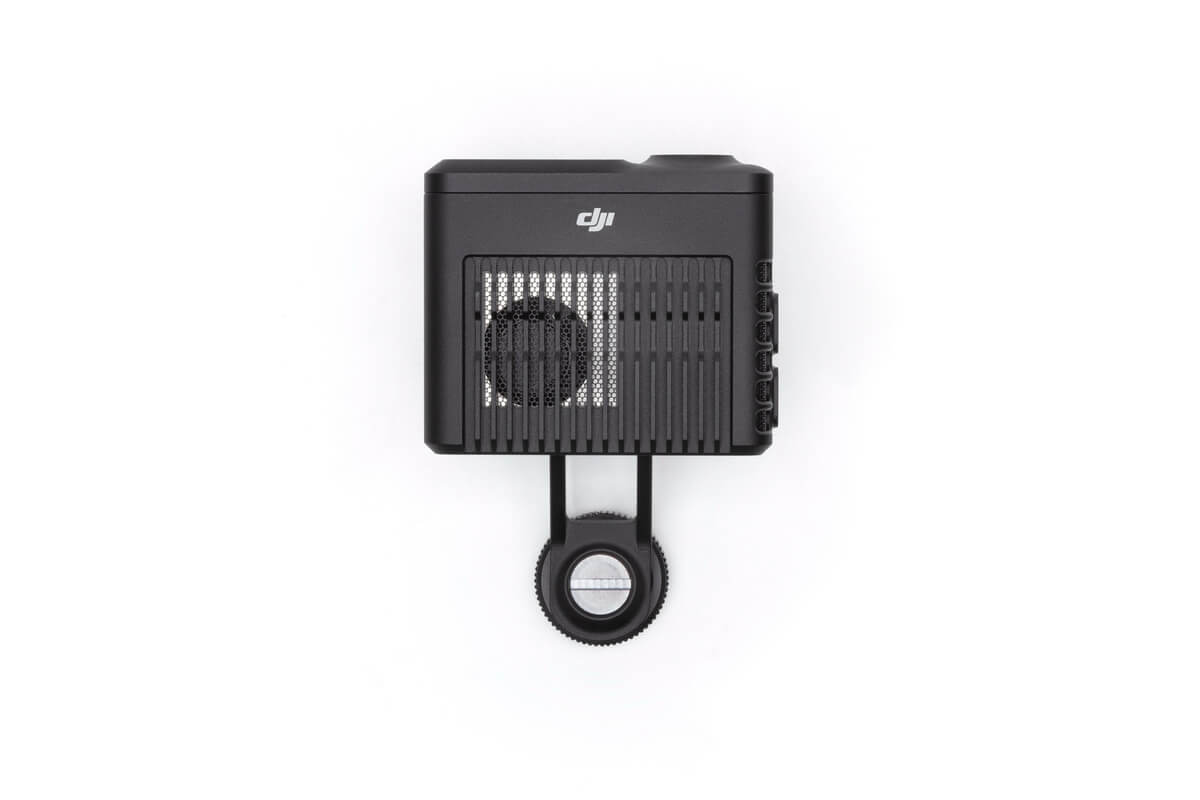
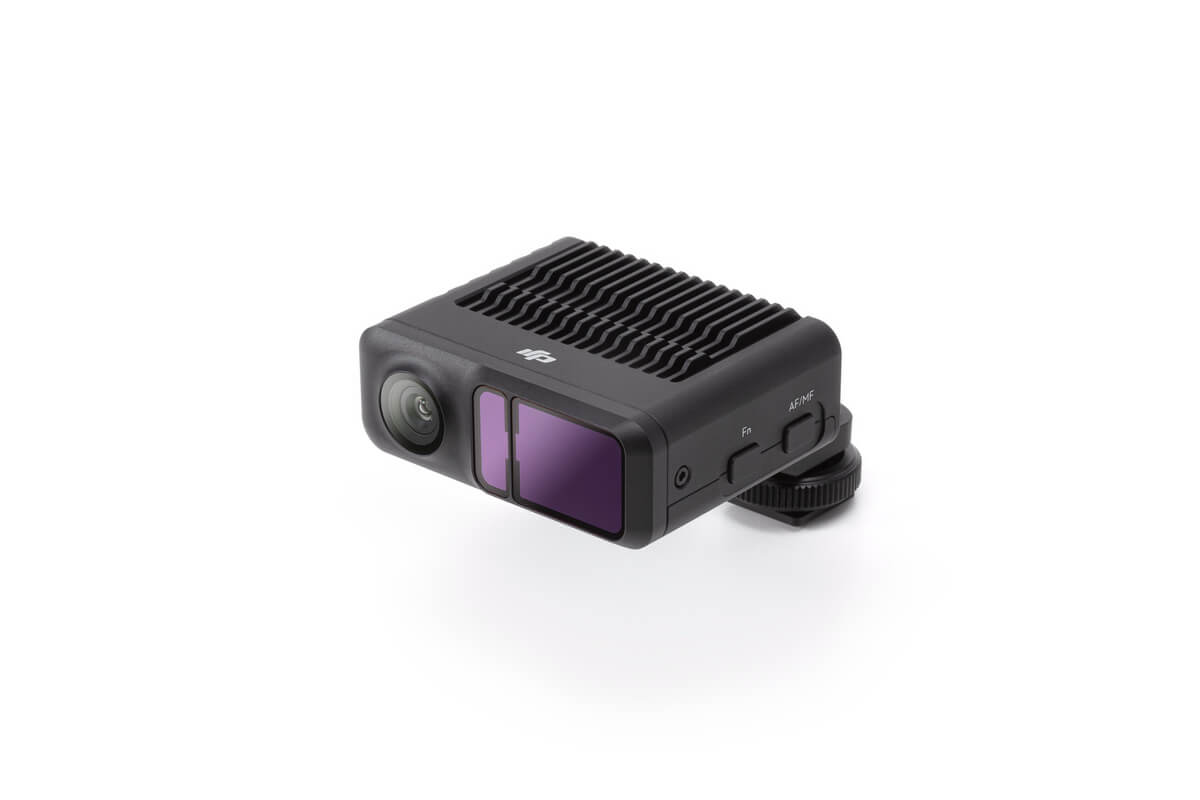
Introduction of the LiDAR focusing system The LiDAR Focusing System revolutionises focusing for handheld photography, offering top performance in low-light situations or when capturing subjects without clear textures. This innovative system is designed to significantly improve focusing accuracy, making it indispensable for photographers looking for reliability in a variety of conditions.
Advanced LiDAR rangefinder technology At the heart of the LiDAR focusing system is the highly advanced LiDAR Range Finder (RS). This state-of-the-art component projects up to 43,200 points, allowing an accurate range of up to 14 metres under ideal conditions. Its precision and range make it a landmark for ensuring sharp focus in your photography projects.
Specially designed for versatility The system's integrated camera has a focal length equivalent to 30 mm and a wide field of view of 70°. This provides extensive coverage of the most common shooting scenarios, making the LiDAR focusing system versatile and adaptable. The camera is designed to meet the needs of a wide range of photography styles and settings.
Improved autofocus capabilities Combined with the latest Focus Motor (2022), the LiDAR Focusing System extends its functionality by providing the ability to automatically focus manual lenses. This represents a breakthrough in photography, giving users more flexibility and efficiency during shooting after initial setup.
Improved ActiveTrack Pro functionality The combination of the LiDAR Range Finder (RS) and the RS 3 Pro model enhances the performance of ActiveTrack Pro. This integration enables more accurate identification and tracking of subjects. Photographers will appreciate the enhanced ability to capture dynamic scenes with greater precision.
Optimal performance and limitations It is important to note that the optimum performance indicators, such as the detection range of 14 metres, were established under controlled conditions without strong interfering light. In typical use situations, the effective detection range for human subjects is closer to 7 metres. This fundamental understanding helps users set realistic expectations of the system's capabilities in different environments.


 EN
EN  NL
NL  FR
FR  DE
DE  ES
ES  IT
IT