
 EN
EN  NL
NL  FR
FR  DE
DE  ES
ES  IT
IT 
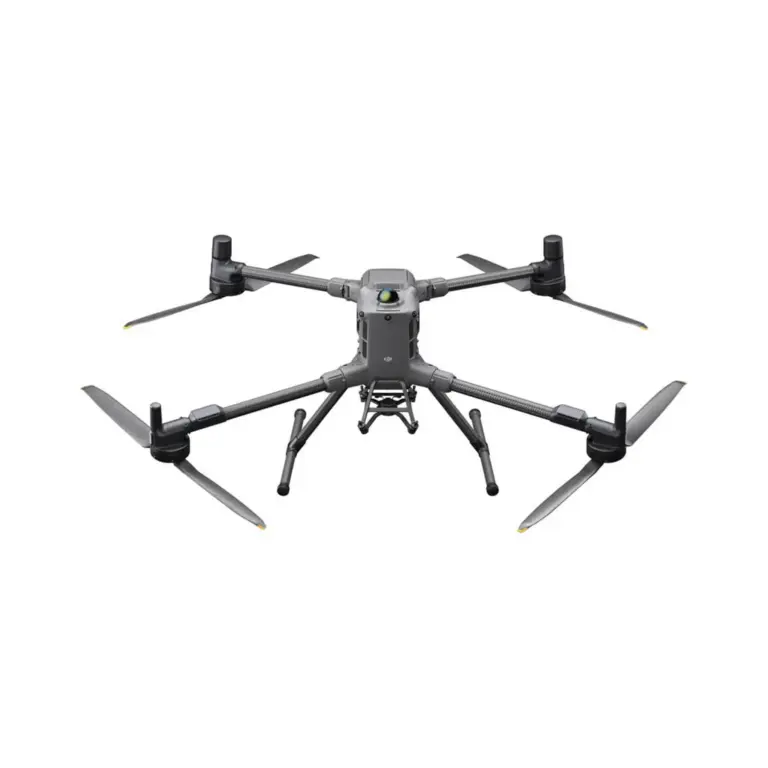
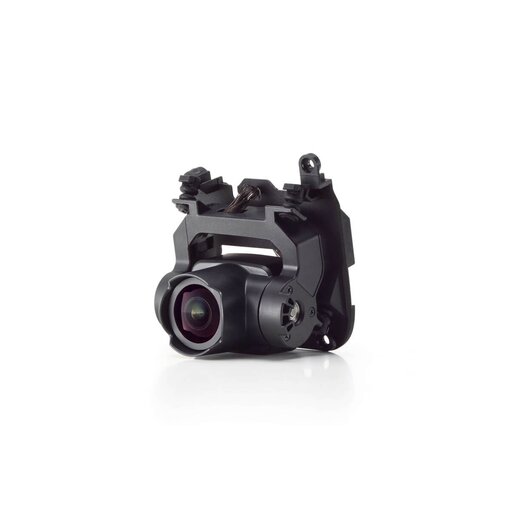
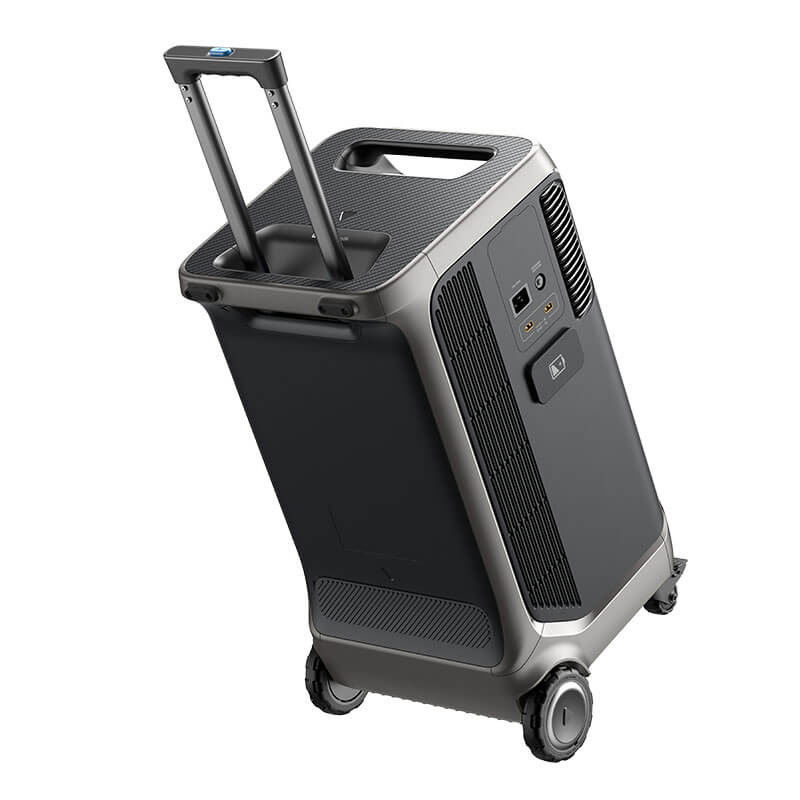

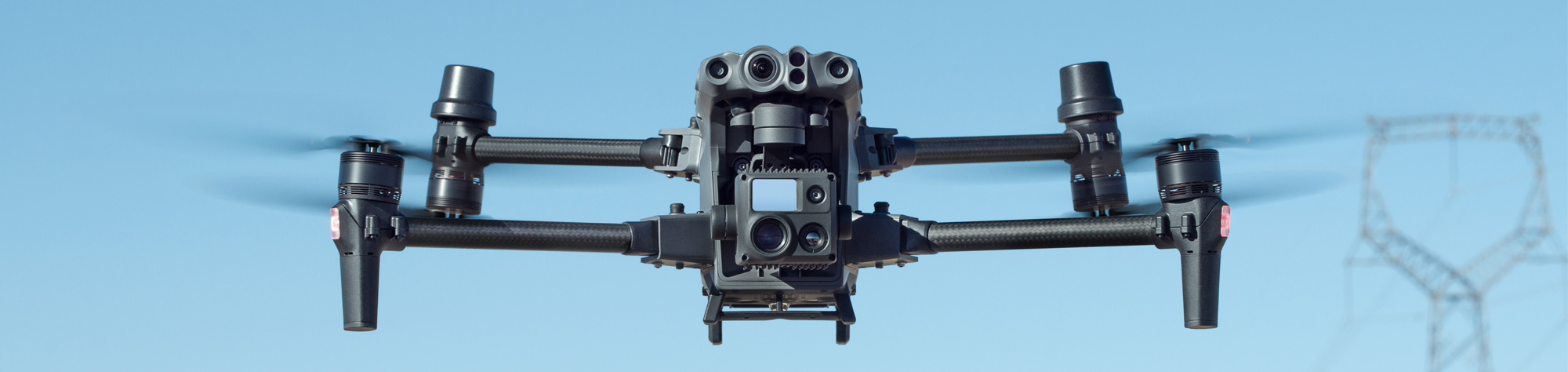
The DJI Matrice 30T is a standout drone for its advanced features and capabilities. This industrial drone is designed to meet the demands of demanding commercial operations.
The Matrice 30T is equipped with a range of sensors and electronics that enable it to fly safely in harsh conditions. It has a long flight range of up to 8 kilometres and can fly to a maximum altitude of 6,000 metres. It also features advanced obstacle avoidance technology for reliability and safety.
The Matrice 30T stands out from other drones for its advanced features. It features a new and improved flight control system for better stability and control. In addition, it has a powerful obstacle avoidance system that can detect and avoid obstacles up to 80 metres away. The drone is also equipped with an advanced RTK system for higher accuracy and precision.
The Matrice 30T has a dual battery system that ensures longer flight times and greater redundancy in case of battery failures. The advanced flight management system allows programming of a wide range of missions and tasks.
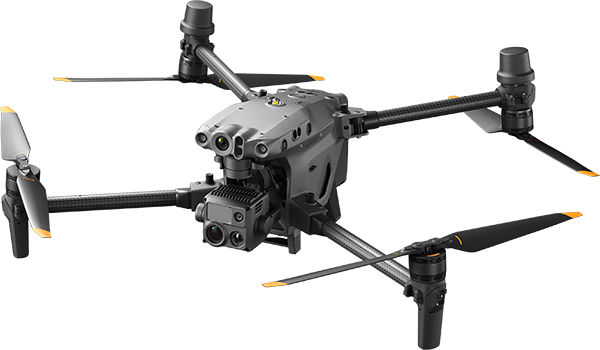
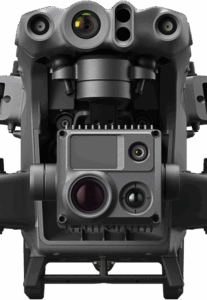
The DJI Matrice 30T which is fully equipped with multiple sensors, has a long flight time as well as an IP55 rating is very versatile and can be used for various purposes.
Below is a list of some of the possible applications:
| Cookie | Duration | Description |
|---|---|---|
| cookielawinfo-checkbox-analytics | 11 months | This cookie is set by GDPR Cookie Consent plugin. The cookie is used to store the user consent for the cookies in the category "Analytics". |
| cookielawinfo-checkbox-functional | 11 months | The cookie is set by GDPR cookie consent to record the user consent for the cookies in the category "Functional". |
| cookielawinfo-checkbox-necessary | 11 months | This cookie is set by GDPR Cookie Consent plugin. The cookies is used to store the user consent for the cookies in the category "Necessary". |
| cookielawinfo-checkbox-others | 11 months | This cookie is set by GDPR Cookie Consent plugin. The cookie is used to store the user consent for the cookies in the category "Other. |
| cookielawinfo-checkbox-performance | 11 months | This cookie is set by GDPR Cookie Consent plugin. The cookie is used to store the user consent for the cookies in the category "Performance". |
| viewed_cookie_policy | 11 months | The cookie is set by the GDPR Cookie Consent plugin and is used to store whether or not user has consented to the use of cookies. It does not store any personal data. |